October 2, 2026
Children’s health needs change significantly as they grow. From the first days of infancy through the teenage years, children experience physical, developmental, emotional, and social changes that can affect their overall well-being. Regular medical care gives parents an opportunity to monitor these changes, address concerns, and establish healthy habits early. A pediatrician provides age-appropriate care designed specifically around the needs of infants, children, and adolescents. At Dino-Peds, pediatric care can help families navigate each stage of childhood while keeping preventive health and ongoing development in focus.
Supporting Health During Infancy
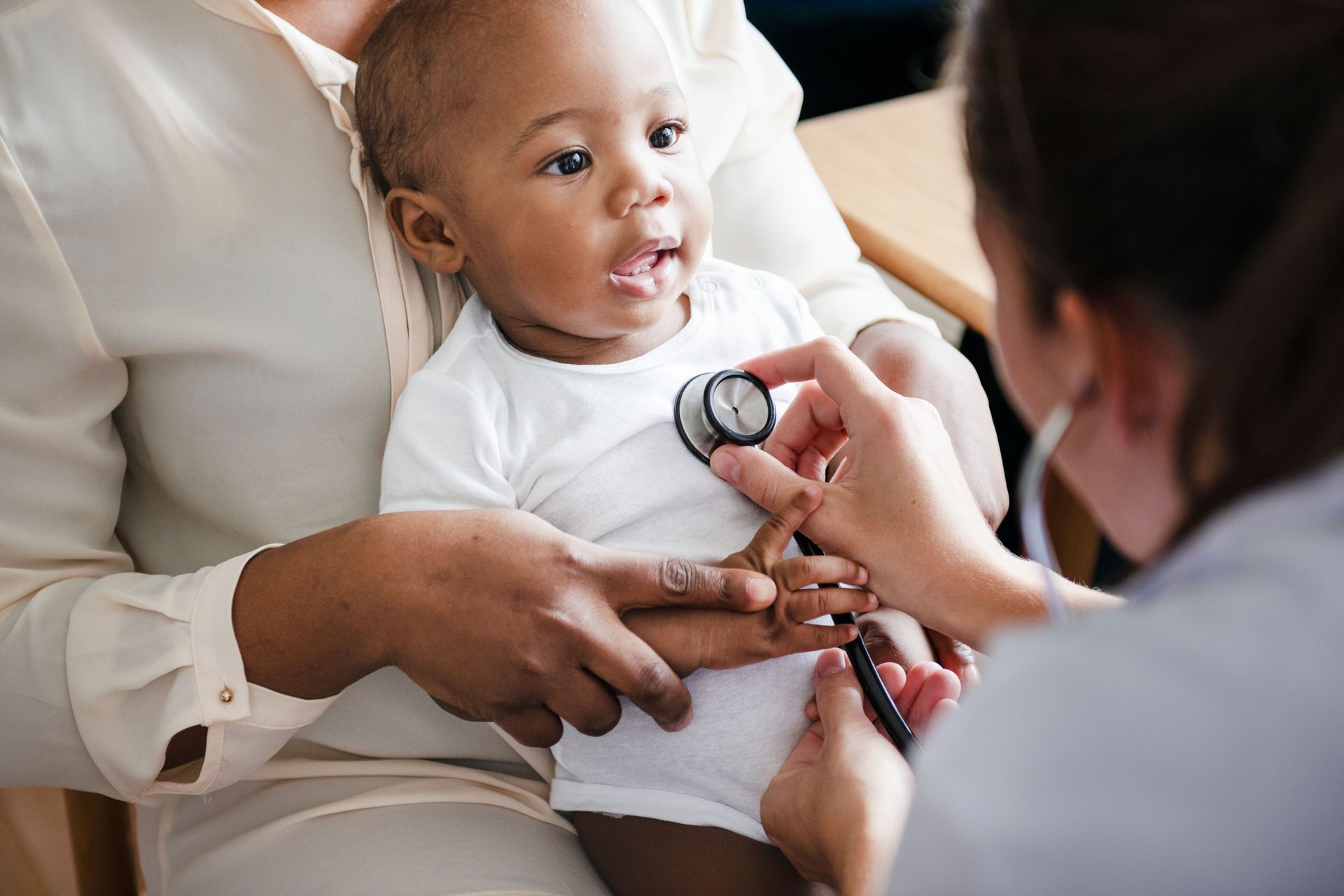
The first year of life involves some of the most rapid growth and development a child will experience. During this stage, regular visits with a pediatrician provide opportunities to monitor physical growth, feeding, sleep, development, and overall health. Well-child visits are not only intended for times when a baby is sick. The American Academy of Pediatrics (AAP) recommends a schedule of preventive visits beginning during the first week of life and continuing at regular intervals throughout infancy and childhood. These visits include age-appropriate screenings, assessments, immunizations, and guidance.
During an infant visit, a pediatrician may evaluate weight, length, head growth, physical development, feeding patterns, and other aspects of health. Parents can also discuss concerns about sleep routines, nutrition, illnesses, or changes in behavior. These conversations can be particularly helpful for new parents who are learning to recognize their baby's individual patterns.
Immunizations are another important component of preventive care. Staying current with recommended vaccines can help protect infants from serious illnesses. Pediatric visits also give parents opportunities to ask questions about safety, nutrition, and ways to create a healthy home environment.
Monitoring Early Childhood Development
As children move into toddlerhood and the preschool years, their health care needs expand beyond physical growth. Language, motor skills, social interactions, behavior, and emotional development become increasingly important. A pediatrician can monitor these areas during routine visits and discuss any concerns with parents.
Developmental surveillance is recommended during health supervision visits, allowing health care professionals to consider a child's progress, parental concerns, developmental history, and observed behaviors. The AAP also recommends standardized developmental screening at specific ages, including 9, 18, and 30 months, with additional screening when concerns arise. Autism spectrum disorder screening is recommended at 18 and 24 months.
Early identification can be valuable because developmental concerns may benefit from further evaluation or intervention. A pediatrician can help parents understand screening results and determine whether additional assessment or services may be appropriate. This process does not necessarily mean that a child has a developmental disorder. Instead, screening can identify areas that may warrant a closer look.
Regular appointments also allow parents to discuss topics such as toilet training, nutrition, sleep, behavior, preschool readiness, and common childhood illnesses. Addressing these questions as they arise can help families make informed decisions throughout early childhood.
Promoting Healthy School-Age Years
Once children enter school, their daily environments and responsibilities begin to change. They may become more physically active, develop new friendships, encounter academic challenges, and spend more time away from home. These experiences can introduce new health considerations.
A pediatrician can continue monitoring a child's height, weight, physical development, vision, hearing, and other aspects of health during school-age visits. Preventive appointments also provide opportunities to discuss nutrition, physical activity, sleep, safety, and emotional well-being.
School-age children may also experience common concerns such as recurring illnesses, allergies, asthma symptoms, headaches, stomach complaints, or difficulties with sleep. A child's health history and individual circumstances can help guide conversations about these issues. Regular care provides a setting where parents can raise concerns even when symptoms seem relatively minor.
Mental and emotional health also deserves attention during these years. Changes in mood, behavior, social relationships, or school performance may sometimes indicate that a child needs additional support. Open communication between parents, children, and health care professionals can make it easier to identify concerns and determine appropriate next steps.
Guiding Children Through Adolescence
Adolescence brings another significant period of physical and emotional development. Teenagers experience puberty, increasing independence, changing social relationships, and new responsibilities. Their health care needs therefore become increasingly individualized.
A pediatrician can continue monitoring growth and development while addressing age-appropriate preventive care. Conversations may cover nutrition, physical activity, sleep, mental and emotional health, school-related concerns, relationships, and personal safety. Depending on the teenager's age and circumstances, appointments may also provide opportunities to discuss topics related to puberty and other changes associated with adolescence.
Regular health visits can also encourage teenagers to become more involved in their own health care. Learning how to describe symptoms, understand medications, ask questions, and make healthy choices can help adolescents gradually take greater responsibility for their well-being.
Addressing Illnesses and Ongoing Concerns
Preventive care is only one part of pediatric medicine. Children can develop acute illnesses, injuries, chronic conditions, or other health concerns at any age. Having an established pediatric care relationship gives families a place to turn when questions or symptoms arise.
A pediatrician can evaluate common childhood illnesses and determine when additional testing, treatment, monitoring, or follow-up may be appropriate. When a child's needs extend beyond primary pediatric care, a referral to another health professional may also be recommended.
According to the National Academy of Sciences, roughly 10 to 20% of children in the United States see a pediatric subspecialist every year. The National Academies of Sciences, Engineering, and Medicine notes that pediatric subspecialists provide additional expertise for children with specific health conditions or those requiring specialized procedures, complementing the care provided by general pediatricians.
This collaborative approach can be particularly important for children managing ongoing or complex health conditions. A primary pediatric provider may help coordinate care, communicate with specialists, and continue monitoring the child's overall health while specialized providers address specific needs.
Encouraging Preventive Health Habits
One of the long-term benefits of pediatric care is the opportunity to establish healthy habits early. Children learn about health through the routines and examples established by their families, schools, and health care providers.
A pediatrician can provide age-appropriate guidance about nutrition, exercise, sleep, hygiene, injury prevention, and other areas of everyday health. As children get older, these conversations can shift from parent-focused guidance toward direct conversations with the child or teenager.
Preventive care can also help identify potential concerns before they significantly affect a child's daily life. Routine assessments allow health care professionals to monitor changes over time rather than relying only on appointments prompted by illness.
Parents can make these visits more productive by keeping track of questions, symptoms, medications, changes in behavior, or other concerns they want to discuss. The AAP recommends that families bring several important questions or concerns to well-child visits so they can be addressed during the appointment.
Building Consistent Care Through Childhood
Children benefit from health care that evolves alongside them. The concerns discussed during an infant visit will naturally differ from those addressed during a school-age or adolescent appointment. Maintaining regular pediatric care allows health professionals to consider a child's health history and development over time.
The AAP's Bright Futures guidelines organize preventive care around different stages, including infancy, early childhood, middle childhood, and adolescence. Recommended visits include physical examinations, developmental observation, screenings, immunizations, and anticipatory guidance tailored to a child's age.
Consistency can also make it easier for parents to recognize when something has changed. A child's usual growth pattern, behavior, activity level, or developmental progress provides useful context when a new concern develops.
A child's health needs change from infancy through adolescence, making age-appropriate medical care an important part of growing up. A
pediatrician can help monitor growth and development, provide preventive care, address illnesses, discuss behavioral and emotional concerns, and connect families with specialized care when necessary. Regular visits also give parents and children opportunities to ask questions and learn about healthy habits at every stage.
At Dino-Peds, ongoing pediatric care can give families a consistent resource as children grow and their health needs evolve. From early developmental milestones to adolescent health concerns, regular medical visits can help families address questions, identify potential concerns, and support children's overall well-being throughout childhood. Contact us today for more information.